
Isha
Tiddim Isha Prayer Time
Prayer Start
07:15 PM
Prayer End
03:09 AM
| Isha | Prayer Start | Prayer End |
|---|---|---|
| Tiddim Isha Prayer Time | 07:15 PM | 03:09 AM |
Prayer End
Tiddim Isha Remaining Time
07Hours
54Mins
00Secs
07:15 PM00%07:16 PM
TIDDIM, BURMA
Tiddim Isha Prayer Time
Prayer Start
07:15 PM
Prayer End
03:09 AM
| Isha | Prayer Start | Prayer End |
|---|---|---|
| Tiddim Isha Prayer Time | 07:15 PM | 03:09 AM |
Prayer End
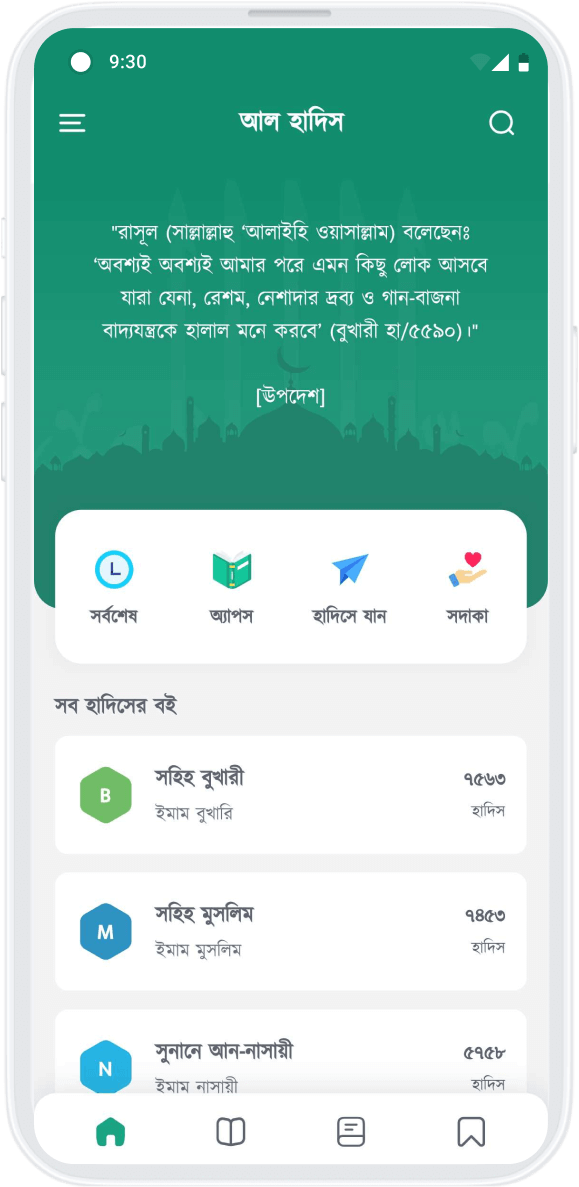
Access authentic hadith collections with search, bookmarks, and daily hadith notifications. Your trusted source for prophetic traditions.
Authentic Hadith Collections
Advanced Search
Daily Hadith
Bookmarks
Multiple Languages
Offline Access
Daily Isha Namaz Time in Tiddim, Burma
Today's Isha time in Tiddim, Burma starts at 07:15 PM. Isha prayer begins after Maghrib (05:51 PM) once the red twilight has fully disappeared from the sky. You can check updated Isha prayer time in Tiddim on this page daily.
Looking for Isha time in Tiddim? Today's Isha prayer time in Tiddim, Burma starts at 07:15 PM and should be prayed before Islamic midnight at . Isha is the fifth and last of the five obligatory daily prayers in Islam, performed after the red twilight has completely disappeared from the sky. In Tiddim, the Isha Adhan is called at 07:15 PM daily, and the timing shifts slightly throughout the year based on the sun's position.
All five prayer times in Tiddim today are Fajr 03:09 AM, Dhuhr 11:13 AM, Asr 02:34 PM, Maghrib 05:51 PM, and Isha 07:15 PM. The Isha namaz time in Tiddim is calculated after Maghrib ends and twilight vanishes. Isha has 4 Fard rakats along with Sunnah, Nafl, and Witr prayers. It is recommended to pray Isha as early as possible after the Adhan and not delay it past Islamic midnight without a valid reason.
Tiddim is located at coordinates 23.3758°N, 93.6539°E in the Asia/Kolkata (UTC+5:30) timezone. The Qibla direction from Tiddim is ° (), and Makkah is approximately km away. All Isha and prayer times on this page are calculated using the University of Islamic Sciences, Karachi method for Burma.